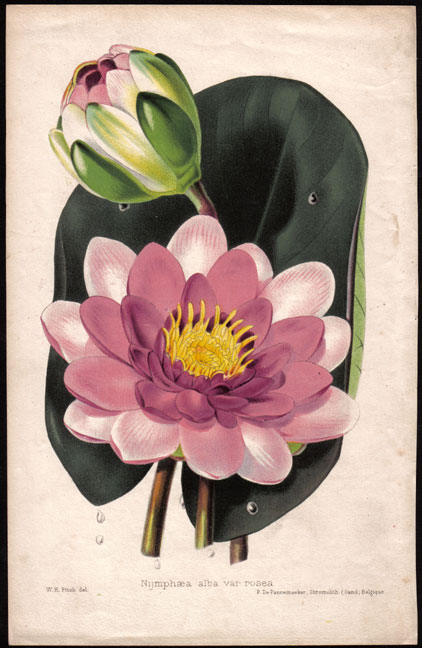
Nijmphaea alb var rosea
"Njimphaea alba var rosea"
$45

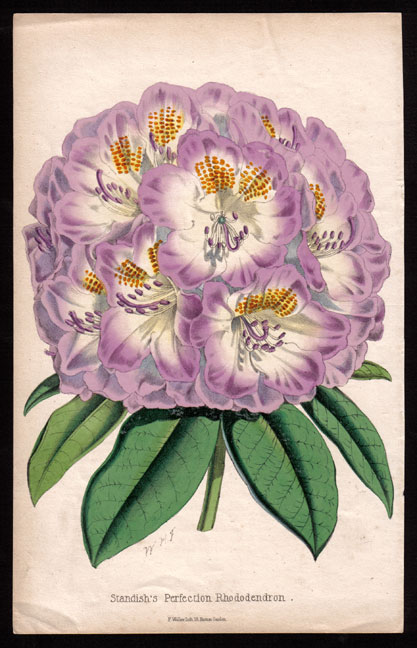
Standish's Perfection Rhododendron
"Standish's Perfection Rhododendron"
$45

Rhododendron Princess of Wales
"Rhododendron Princess of Wales"
$45

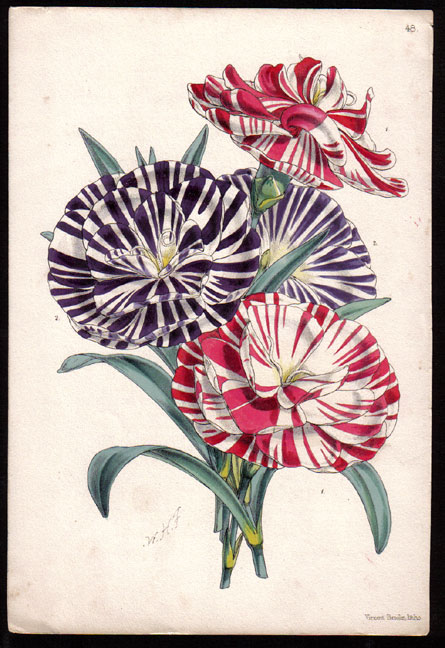
untitled
"Plate 48"
$45

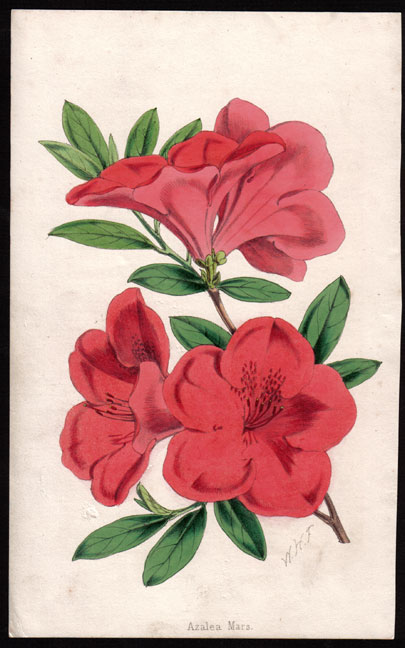
Azalea Mars
"Azalea Mars"
$45

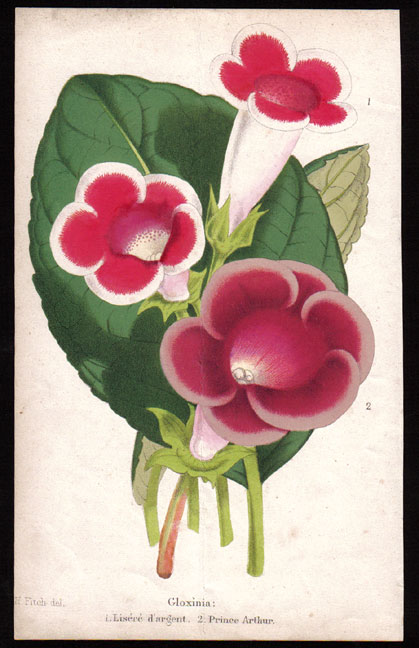
Gloxinia
"Gloxinia"
$45

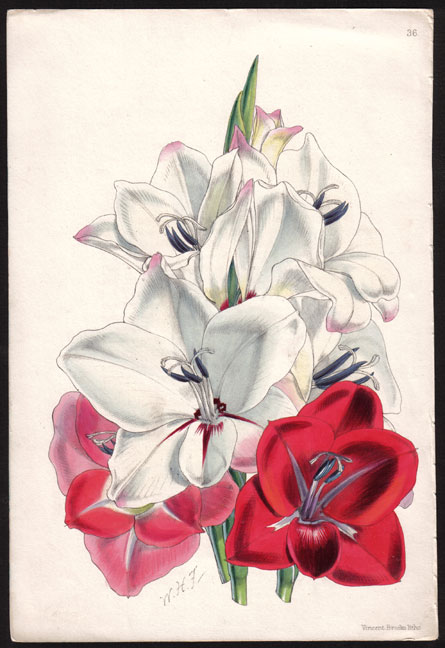
Plate 36
"Plate 36"
$45

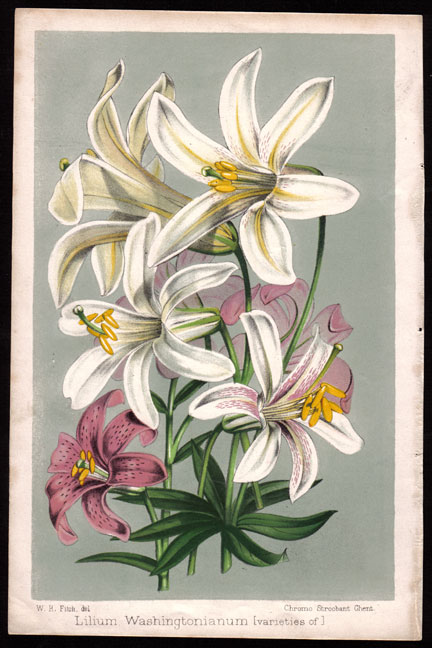
Lilium Washingtonianum
"Lilium Washingtonianum"
$45

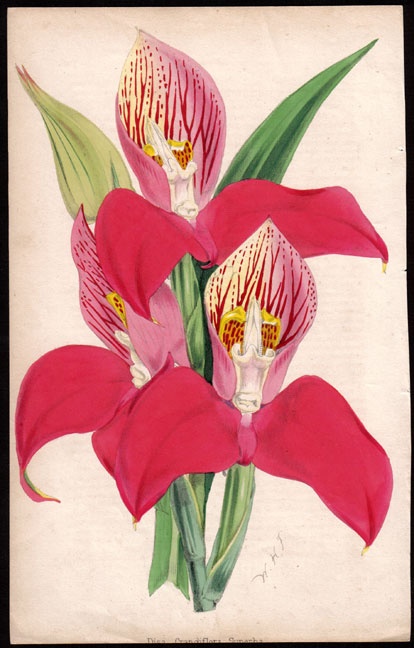
Disa Grandiflora Superba
"Disa Grandiflora Superba"
$45

Clematis rubro-violacea
"Clematis rubro-violacea"
$40

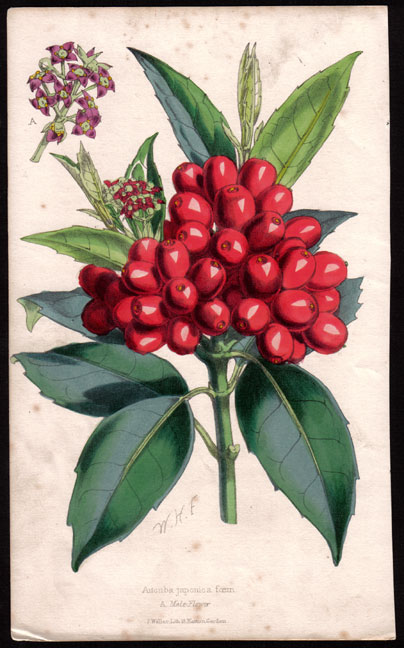
Aucuba japonica foern
"Aucuba japonica foern"
$40

Chinese Primrose
"Chinese Primrose"
$40

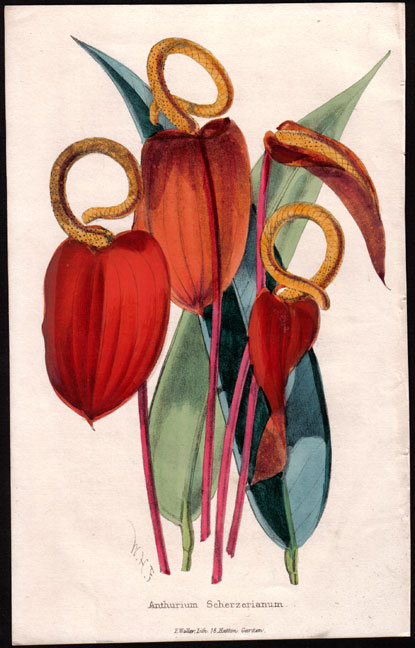
Anthurium Scherzerianum
"Anthurium Scherzerianum"
$40

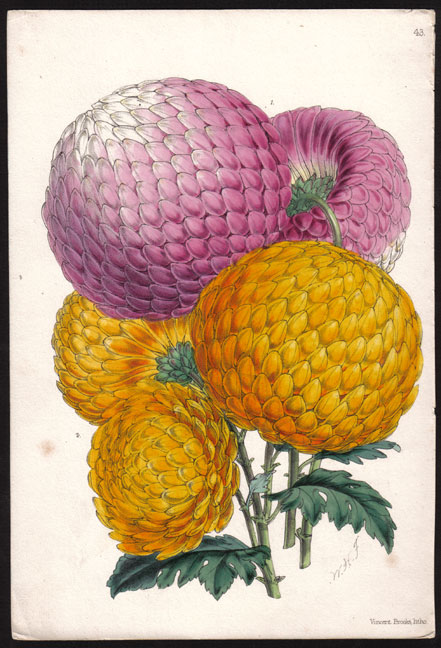
Plate 43
"Plate 43"
$40

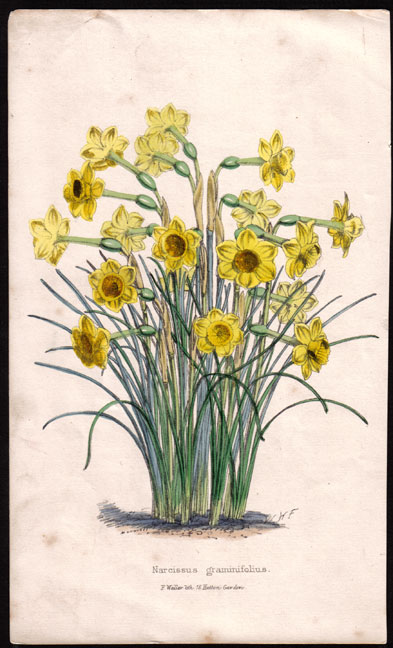
Narcissus graminifolius
"Narcissus graminifolius"
$40

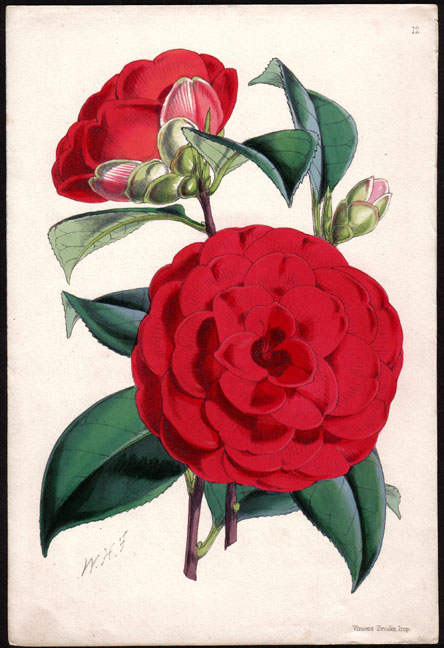
Plate 12
"Plate 12"
$40

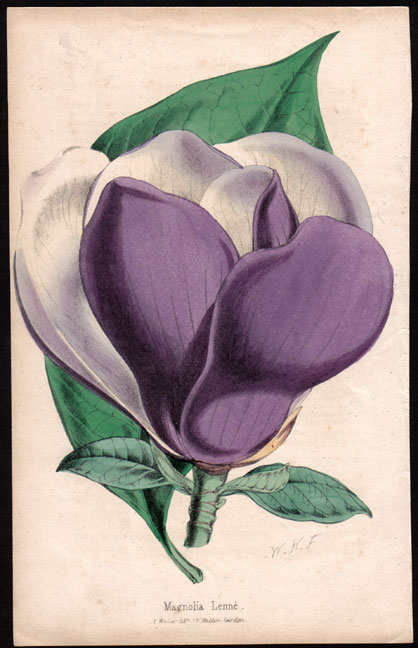
Magnolia Lenné
"Magnolia Lenné"
$40

Plate 6
"Plate 6"
$40

Plate 17
"Plate 17"
$40

Plate 52
"Plate 52"
$40

Click here to return to Botanical homepage
 
Chromolithographs and hand-coloured lithographs by Walter H. Fitch
from various publications between 1850-1870.
Sheet size is approx. 6¾ x 10¾ inches. Plate size varies by image.
This is but a small sampling of the Walter H. Fitch botanicals in our collection.
Please email us if you are looking for a particular flower or plant from this series.
Darvill's Rare Prints, fine antique prints and rare maps since 1918! Darvill's Rare Prints, fine antique prints and rare maps since 1918!
Antique prints from Darvill's since 1918 Rare Maps and Charts Limited edition prints from Alaska's most famous artist Rie Munoz Darvill's Rare Prints homepage About Darvill's Rare Prints
Sorry, we do not perform appraisals and we do not buy from unsolicited sources.

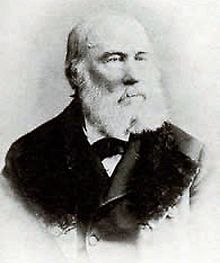
Walter H. Fitch (1817-92) Various publications between circa 1850-1870

Walter Hood Fitch, the most prolific of all botanical artists, was a typical product of the Victorian era, able and industrious;
like Sir William and Sir Joseph Hooker, whom he served successively for more than half a century.

Otto Stapf said this of Fitch's method:
"Fitch had a marvelous power of visualising plants as they lived and of retaining their image in his memory. This emboldened him rather to treat his originals as sketches than to work them into finished pictures, with the result that when finally drawn on stone they underwent a certain generalization in which the type of the species came to life and took the place of a photographically true portrait. His colouring was equally bold, which must have been a veritable boon to the colourists, who could get the desired effect with simple washes." ("The Art of Botanical Illustration" by Blunt and Stearn)