A Collection of Prints Illustrative of English Scenery
|
||||||
|---|---|---|---|---|---|---|
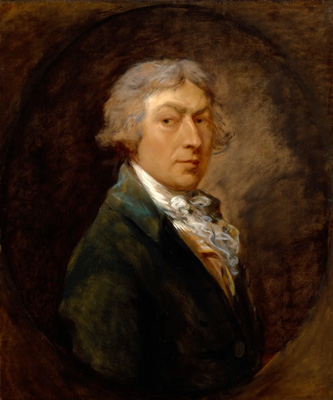
Thomas Gainsborough (self-portrait) |
Thomas Gainsborough (1727–1788) At age thirteen, Thomas Gainsborough arrived in London from the nearby countryside eager to become an artist. There he studied with a noted French artist and was influenced by seventeenth-century Dutch landscape painting. In his early years, Gainsborough primarily painted landscapes and worked as a restorer for art dealers. Although his true desire was to paint landscapes exclusively, portraits were in much greater demand in eighteenth-century England. As a portraitist, he was highly acclaimed and sought after by the English aristocracy for his elegant and flattering portrayals. He developed his painting style by studying the portraits by Anthony Van Dyck. In his late forties, Gainsborough settled permanently in London and became a founding member of the Royal Academy. After his death in 1788, Sir Joshua Reynolds, his contemporary and fierce rival, eulogized him thus: "If ever a nation should produce genius sufficient to acquire to us the honorable distinction of an English school, the name of Gainsborough will be transmitted to posterity, in the history of Art, among the very first of that rising name." |

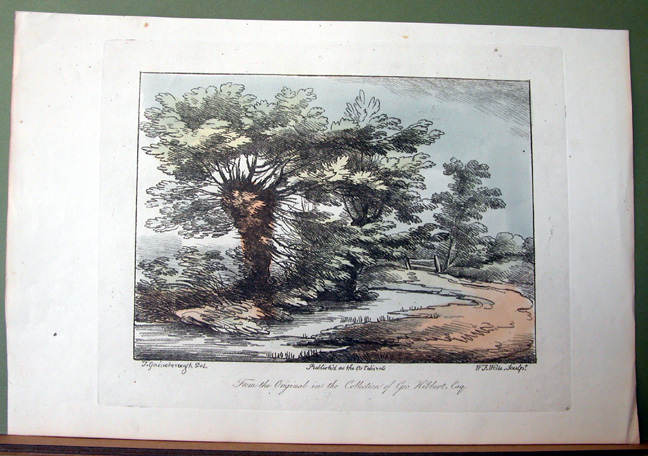
#1
$399.95
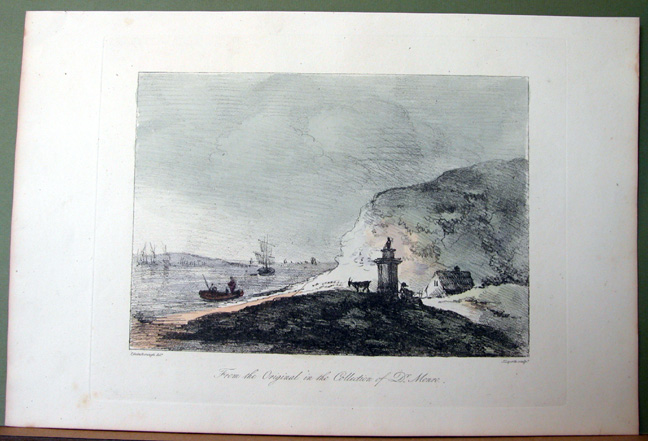
#2
$399.95
#3
$399.95

#4
$399.95
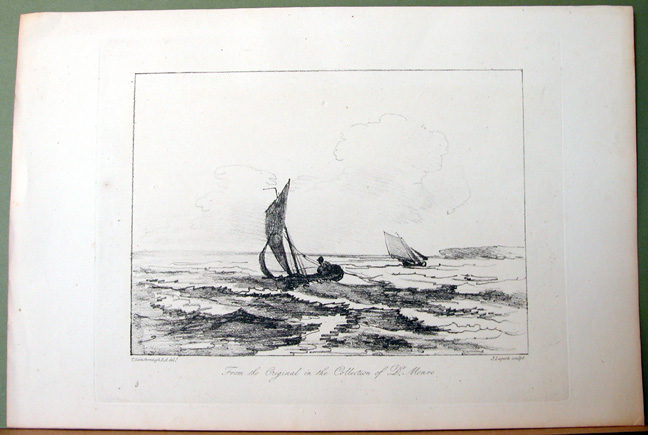
#5
$299.95
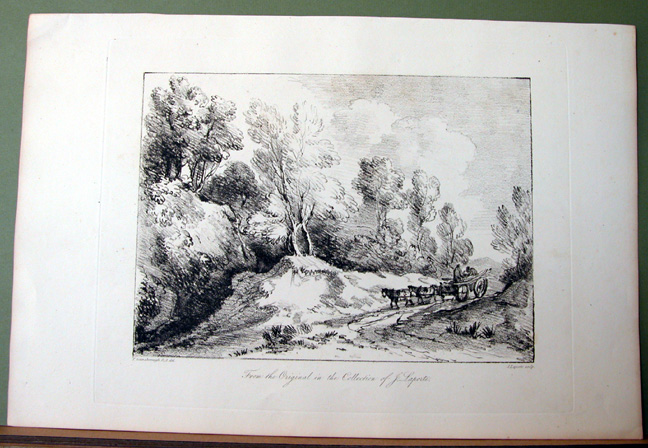
#6
$299.95
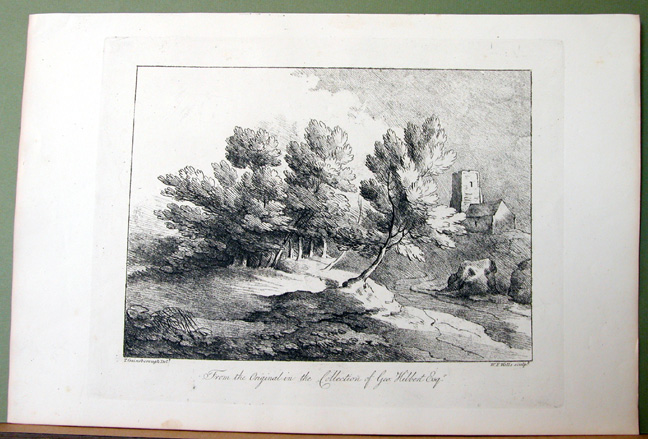
#7
$299.95
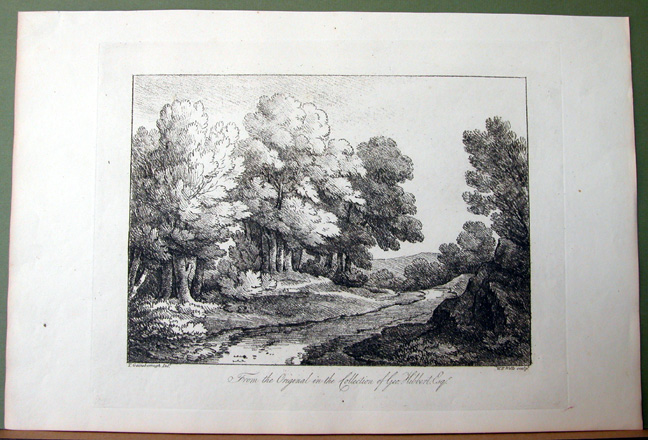
#8
$299.95
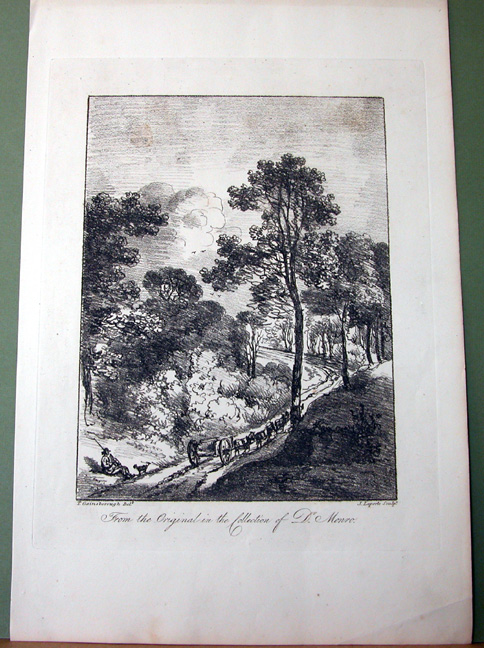
#9
$299.95
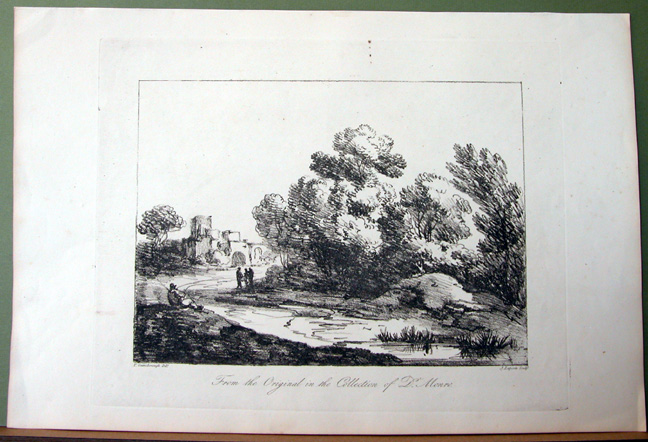
#10
$299.95
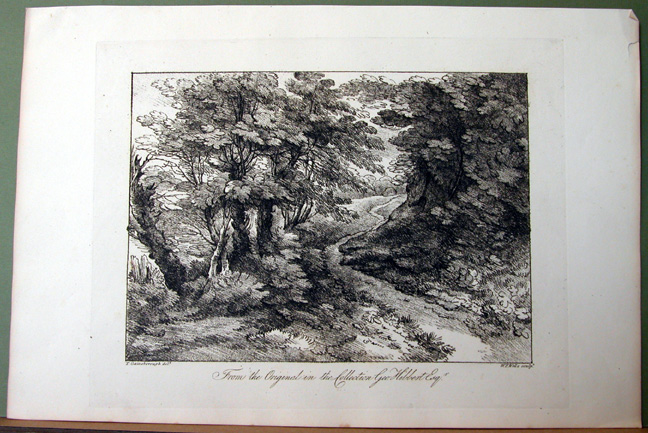
#11
$299.95
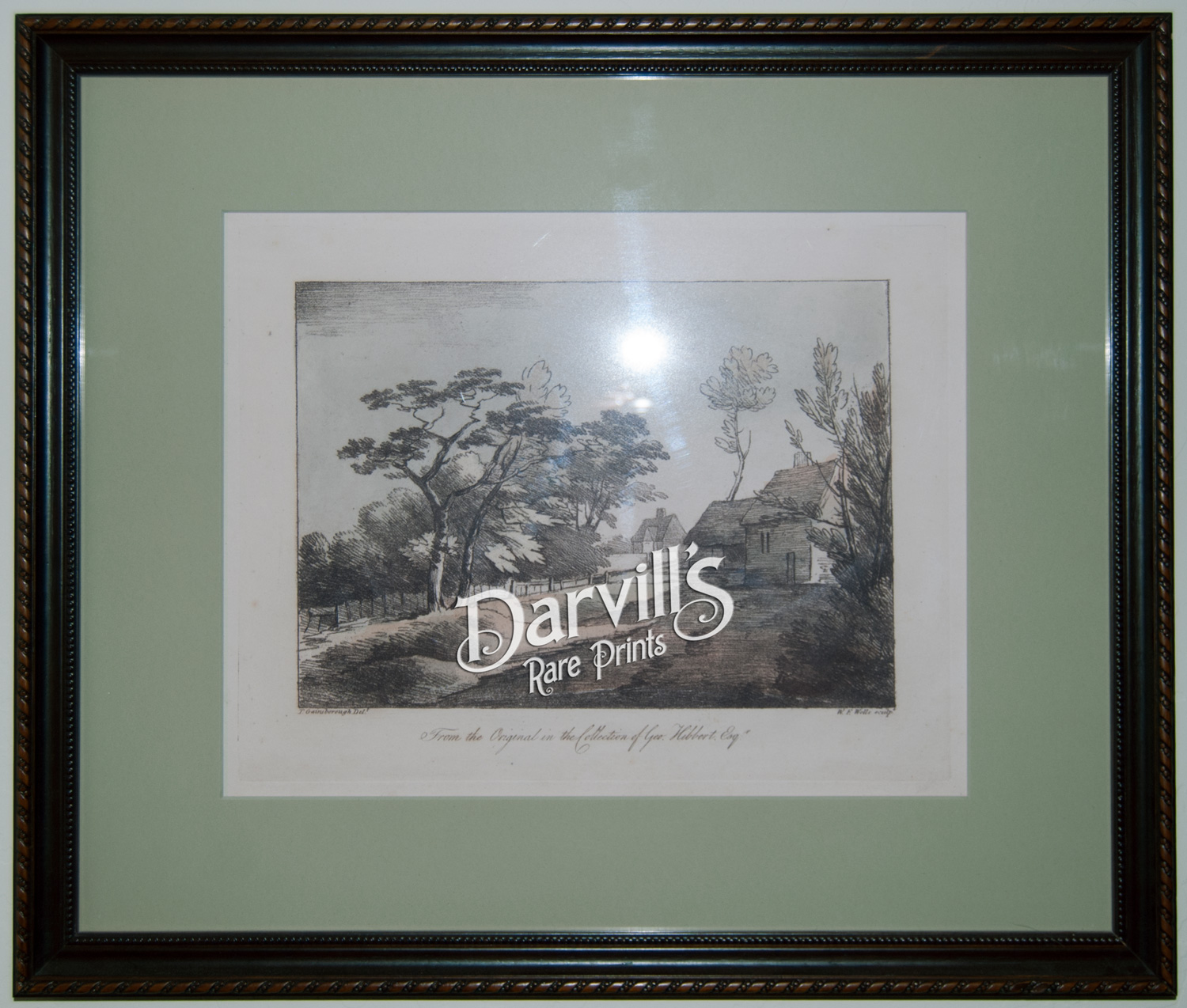
#12
$599.95
Archivally mounted/framed in a bronze rope frame measuring about 20 x 17 inches
Please excuse flash reflection in photo
Note: additional shipping to be assessed for this framed piece either after checkout or please enquire about a shipping quote to your location prior to purchase.
Click here to return to the Topographical Scenes homepage